Neighborhood Gathering Recap & Information Updates
Windsor Residents Hold Neighborhood Gathering
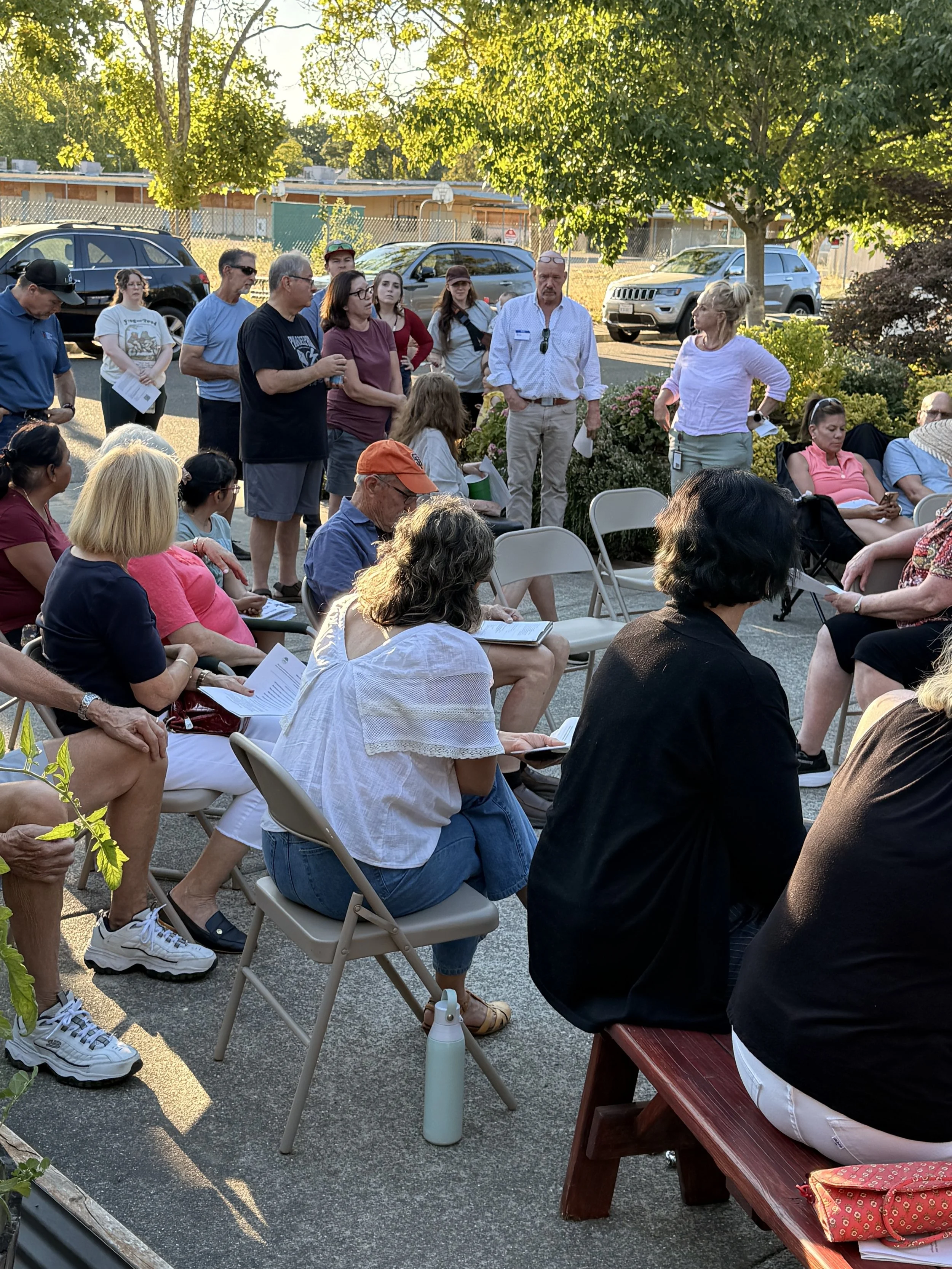
Thank you to everyone who attended our neighborhood gathering last night!
We had 44 residents join us from neighborhoods all across Windsor. That was encouraging to see because this isn't just an Oakfield issue—this is public land that belongs to all of Windsor. What happens on this property affects our entire community.
I'd also like to thank the Town Council members, Mayor, Planning Commissioners, and Town staff who attended. We appreciate you taking the time to listen to residents and be part of the conversation.
Where are we in the process?
The Windsor Creek proposal is currently in the preliminary application phase.
This means the applicant has submitted a preliminary application explaining what they would like to build on the property.
Town staff is now reviewing that application and preparing comments back to the applicant. This review process generally takes 4–6 weeks, and this is where your public comments matter.
Town staff will consider the comments they receive from the public as part of their review.
Please submit your comments before August 7.
Email:
KJordan@townofwindsor.com
towncouncil@townofwindsor.ca.gov
Please copy both on your email.
What makes a strong public comment?
The most effective comments explain why you oppose rezoning this property.
Comments like "I don't like it" or "No more apartments" don't provide enough information to help support the case.
Instead, explain why preserving this land as Public matters to you and our community.
Some examples include:
• Preserving land intended for public use and future community needs.
• Protecting the character and overall look and feel of Windsor.
• Increased traffic and congestion.
• Parking impacts on surrounding neighborhoods.
• Environmental concerns.
• Fire safety and emergency evacuation.
• Impacts on existing residents.
• The importance of maintaining public spaces for future generations.
The more thoughtful and specific your comments are, the more valuable they become during the review process.
A note about the General Plan and Housing Element
I've seen a lot of confusion about Windsor's housing requirements, so I wanted to help explain how this works.
Yes, the Town is required by the State to plan for a certain number of future housing units through its General Plan and Housing Element.
However, those units don't all have to be built today.
The Town's responsibility is to ensure there is enough land designated for future residential development. When you look around Windsor, there are numerous vacant parcels that are already zoned for residential use. Those sites are part of Windsor's long-term housing plan and help meet the State's requirements. This information is available in the General Plan, which anyone can request to view.
The Windsor Creek property is different. It is currently designated as Public land.
Rezoning this property to Residential would require amendments to the General Plan, revisions to the Station Area Plan, additional environmental review and analysis, public hearings, and significant staff time.
To be clear...
We are not opposed to housing.
We understand Windsor has housing obligations, and there are many opportunities to build housing on properties that are already planned and designated for residential development.
What we are opposing is changing land that has long been designated for Public use into residential housing. We believe this property should remain Public so it can serve the entire Windsor community now and into the future.
How you can help
✔ Submit your public comments before August 7.
✔ Email KJordan@townofwindsor.com and copy towncouncil@townofwindsor.ca.gov.
✔ Share this post with your friends and neighbors throughout Windsor.
✔ Encourage others to submit comments as well.
Visit SaveWindsor.org where we've gathered everything in one place, including:
• Public comment templates
• Contact information
• Helpful resources explaining the process
Our goal is to make it easier for everyone to stay informed and participate.
We're also planning another neighborhood meeting where we'll take a deeper dive into the planning process and project timeline. We hope to invite the Town Planner to join us so residents can ask questions and better understand each step moving forward.
Start thinking about your questions now—we want this to be another productive conversation that helps educate our community.
If you'd like to be notified about that meeting (since we know not everyone sees Facebook posts), send me an email with your email address, and I'll add you to our notification list. Email jessievallery@gmail.com.
We know everyone is busy. But decisions like this shape Windsor for decades.
Please take a few moments to submit your comments and make your voice heard.
Why We're Voting NO on the WUSD Bond
Why we are voting no on the Windsor School bond this November.
Because Trust Has Been Broken
In a recent Press Democrat article, Windsor Unified School District Superintendent Jeremy Decker stated:
"There's no way I can go around the law, even if I wanted to… nothing about the bond has anything to do with Windsor Creek. No money generated from the school bond will go into Windsor Creek at all."
We understand that the proposed November bond measure is separate from the Windsor Creek project financially. Nobody is suggesting that bond dollars would directly fund the Windsor Creek development.
But for many residents, this is no longer just about money.
It's about trust.
We feel like we've been given different answers at different times.
At public Town meetings and WUSD Board meetings, residents were told that the process for developing the Windsor Creek property would involve:
Submission of a development application;
Review by the Town of Windsor;
Rezoning of the property;
Potential amendments to the Town's General Plan;
Environmental review and studies;
Traffic, safety, and other required analyses;
A public process that could take months or longer.
Many residents walked away from those meetings believing that there would be a lengthy public review process before any major decisions could move forward.
Now, we are seeing comments from school district employees and others on social media stating that the project may not require rezoning at all.
The reality is that no formal application has yet been submitted to the Town's Planning Department. None of us, including the public, actually know what the final proposal will look like.
That uncertainty is exactly why residents are asking questions.
When the information presented publicly appears to change depending on who's speaking, it creates confusion. And when residents raise concerns and feel dismissed, it creates something even worse: a loss of trust.
We support affordable housing.
Let's be clear: many of us agree that Windsor needs more affordable housing.
What concerns us is whether this particular project represents thoughtful planning for our community.
Many residents were surprised to learn that California affordable housing is not a single category. There are multiple affordability levels, including:
Extremely Low Income
Very Low Income
Low Income
Moderate Income
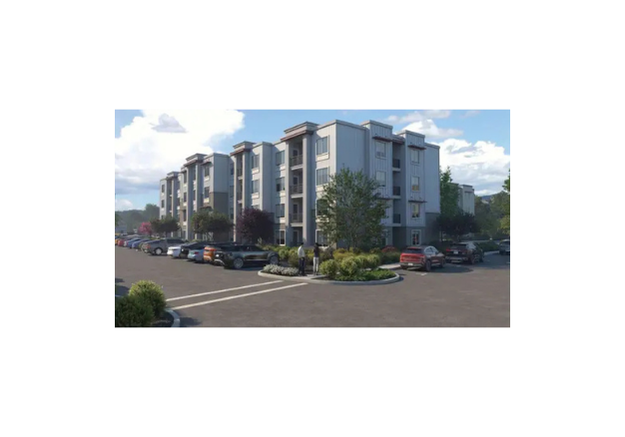
According to Gallaher's publicly presented concept from August 2024, the proposal contemplated approximately 360 units at around 80% of Area Median Income (AMI). The public materials presented at that time did not specifically identify the project as employee housing for Windsor Unified staff.
That raises questions.
If this project is intended primarily to address school employee housing needs:
How many employees actually need housing?
How many employees would choose to live there?
How was the number of approximately 360 units determined?
At a public meeting, residents asked whether WUSD had surveyed staff to determine housing demand. Superintendent Decker stated that they had not conducted a survey.
We don't doubt that there is a need for workforce housing.
What we don't understand is how the district determined that a project of this size is necessary without first collecting data from the employees it says the project is intended to serve.
Our concerns are also about planning.
This proposed development would not exist in isolation.
Residents in this area are already facing significant growth, including:
More than 100 units currently under construction near Armando Renzullo Way; the approved Cora Creek apartments
Additional approved housing planned near Old Oak Road
Existing traffic and evacuation concerns affecting the same general neighborhood
Adding another 300+ units into the middle of this area raises legitimate questions about:
Traffic congestion
Emergency access and evacuation
Fire safety
Infrastructure capacity
Long-term neighborhood planning
These are not "not in my backyard" arguments.
These are questions about whether growth is being planned thoughtfully and responsibly.
If WUSD's hands are truly tied, then advocate for thoughtful development.
We have repeatedly heard that state law limits what WUSD can do with surplus property.
If that is true, we believe district leadership should still advocate for the community it serves.
If affordable housing must be built, then residents deserve to know:
Why this density?
Why this number of units?
What alternatives were considered?
How were community impacts evaluated?
Those questions have not been answered to the satisfaction of many residents.
This is why many of us are voting NO on the bond.
This is not because we don't support public education.
This is not because we oppose affordable housing.
This is because public trust matters.
For many residents, the Windsor Creek process has created the feeling that community concerns are heard but not considered, that public explanations change over time, and that major decisions are moving forward without sufficient transparency.
If the district wants residents to support a continued tax measure, then the district must first rebuild trust with the community it serves.
For us, this has become an "if this, then that" situation.
If WUSD cannot support residents in pursuing thoughtful, transparent growth planning for Windsor, then many residents feel they cannot support providing the district with additional taxing authority.
It's really that simple.
Sign the petition here to oppose unthoughtful expansion and demand transparency.
Why 360 Units?
Why 360 Units? If This Project Is for School Employees, Show Us the Need
Let's start with something I believe many Windsor residents can agree on.
Teachers, classified staff, and other school employees deserve the opportunity to live in the communities they serve. Sonoma County is an expensive place to live, and workforce housing is an important part of the solution. I support finding ways to help those who educate our children live closer to where they work.
But supporting workforce housing doesn't mean we shouldn't ask questions about the size of a proposed project.
Why Approximately 360 Units?
The question many residents continue to ask is simple:
Why approximately 360 units?
How was that number determined?
Earlier this year, during a public meeting, members of the Windsor Unified School District Board were asked whether they had surveyed district employees to determine how many teachers and staff would actually be interested in living in district-sponsored workforce housing.
The response given at the meeting was that they had not.
If that's the case, then how was the need for approximately 360 units established?
If the purpose of this development is to provide housing for school employees, shouldn't the first step be understanding how many employees would actually use it?
That seems like a reasonable place to begin:
Survey the employees.
Determine the need.
Build a project that reflects that demand.
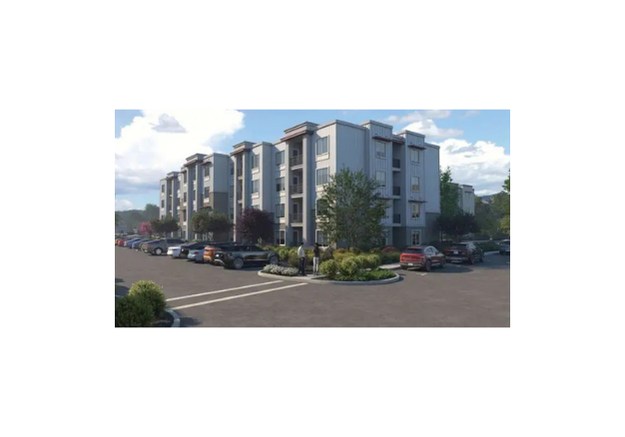
Instead, residents are being presented with a proposal for approximately 360 apartment and condominium units without understanding how that number was reached.
Why the Size Matters
A project of this size doesn't exist in a vacuum.
It affects roads, emergency services, utilities, schools, neighborhood character, and the Town's ability to provide services for everyone who lives here.
It also doesn't stand alone.
More than 100 homes are already under construction on Armando Renzullo Way, immediately adjacent to the Windsor Creek property. Another approved residential development is planned at the end of Old Oak, which will connect into the same neighborhood.
Every new development adds demand on the same infrastructure.
That's why getting the size right matters.
Questions That Deserve Answers
Many residents have also seen workforce and affordable housing developments throughout the region that continue to experience vacancies after opening. If a project is built larger than the actual demand, what happens to those remaining units?
Will they remain dedicated to school employees?
Will eligibility eventually expand?
What is the long-term plan?
These are fair questions that deserve clear answers.
If there is data showing that approximately 360 units are needed for Windsor Unified School District employees, the community should be shown that data.
If there isn't, then perhaps that information should be gathered before moving forward with one of the largest residential developments proposed in this area of Windsor.
Thoughtful Planning Benefits Everyone
This isn't about saying "no" to workforce housing.
It's about asking whether the project is appropriately sized.
Could a smaller project fully meet the housing needs of school employees while reducing impacts on the surrounding neighborhood?
Could the project be phased, allowing the District to meet demonstrated demand first and expand later if additional housing is truly needed?
Those possibilities deserve consideration.
Responsible planning isn't about building the biggest project possible.
It's about building the right project.
Supporting workforce housing and asking for thoughtful planning are not opposing ideas—they go hand in hand.
Good planning starts with good data.
If this project is truly about providing homes for school employees, then let's begin with the people it's intended to serve.
Survey them.
Measure the need.
Share the findings with the community.
Then build a project that reflects those results.
That's not opposing workforce housing.
That's asking for responsible planning that benefits school employees, existing residents, and the future of Windsor.
Stand With Us
If you believe Windsor deserves thoughtful, data-driven planning that balances workforce housing with the needs of the entire community, we invite you to add your name to our petition.
Sign the petition today and join us in advocating for thoughtful growth in Windsor, California.
Windsor Needs More Revenue
Windsor residents demand thoughtful expansion.
If Windsor Needs More Revenue Today, How Can It Support Hundreds More Homes Tomorrow?
At multiple public meetings, Town of Windsor officials have shared a consistent message: the Town needs additional revenue to maintain essential municipal services.
In fact, the Town is asking voters to consider a new local sales tax this November. According to Town officials, the additional revenue would help fund police, public safety, and other critical community services that have already been reduced due to budget limitations.
As a Windsor resident, I actually support this measure.
Strong public services benefit everyone, and many neighboring communities already have similar local taxes in place.
But that support raises an important question.
If the Town is already struggling to fund services for the residents who live here today, why would it continue approving hundreds of additional high-density housing units before ensuring the infrastructure and public services can support that growth?
This isn't simply about one project.
More than 100 homes are already under construction on Armando Renzullo Way, adjacent to the Windsor Creek property. Another approved residential development is planned at the end of Old Oak, connecting to the same neighborhood.
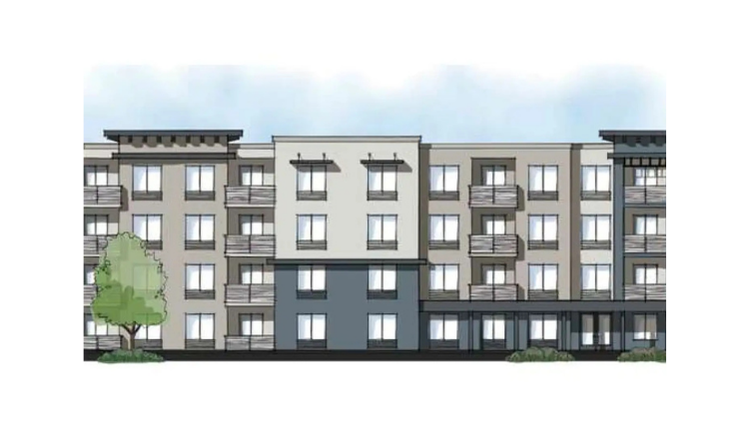
Now, the proposed Windsor Creek project would add approximately 360 apartment and condominium units to that same area.
That is a tremendous amount of growth concentrated into one neighborhood.
This Isn't About Opposing Housing
Let's be clear.
Many residents—including those supporting Save Windsor—are not opposed to housing for school employees, affordable housing, or subsidized workforce housing.
What many residents oppose is the continued approval of large, high-density developments without a comprehensive plan for the infrastructure and public services needed to support them.
Growth should be thoughtful.
Growth should be planned.
Growth should happen at a pace the Town can sustain.
The Biggest Concern Isn't Traffic
Traffic is often mentioned, but for many Oakfield neighborhood residents, the greater concern is emergency access.
The Windsor Creek neighborhood is largely served by a single primary route in and out.
During a wildfire, major emergency, or evacuation event, residents are asking a reasonable question:
How will thousands of additional residents safely evacuate if this neighborhood continues to grow without corresponding infrastructure improvements?
Wildfire evacuation is no longer a hypothetical concern in Sonoma County. It is part of the reality of living here.
Planning for safe evacuation should be considered before adding hundreds of new homes—not afterward.
Thoughtful Planning Benefits Everyone
This discussion should not be reduced to accusations of "Not In My Backyard."
The people raising these concerns are asking for responsible planning that benefits the entire community.
That means balancing housing needs with infrastructure, emergency preparedness, public safety, and the Town's financial capacity.
If Windsor is asking voters for additional tax revenue because existing services are already stretched thin, then it is reasonable to ask whether now is the right time to continue approving additional high-density developments before those challenges are addressed.
These are questions worth asking—not because we oppose housing, but because we want Windsor to grow in a way that is sustainable, safe, and serves everyone who calls this community home.
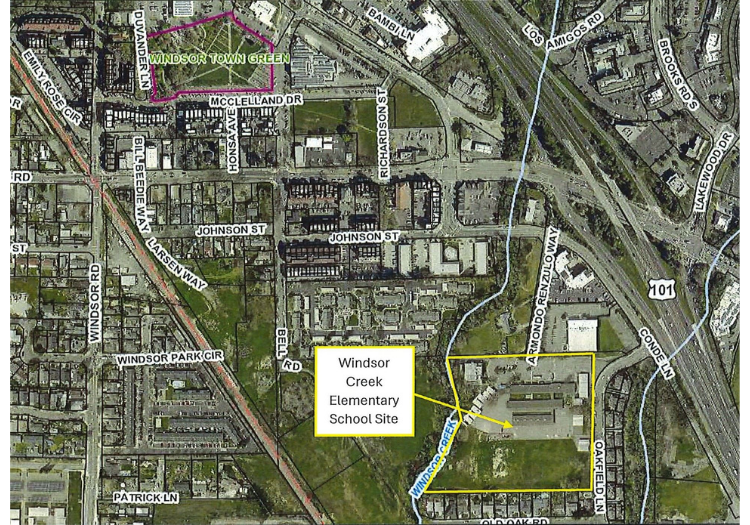
Windsor Has Already Exceeded Its Low-Income Housing Allocation
Windsor low-income housing allocation has been met, the town needs very low and moderate, but that’s not what Gallaher Homes has in mind for the Windsor Creek Elementary site.
If Windsor Has Already Exceeded Its Low-Income Housing Allocation, What Does That Mean for the Windsor Creek Project?
As Windsor residents continue evaluating the proposed Windsor Creek development, much of the conversation has centered on affordable housing and whether the project is necessary to help the Town meet its state-mandated housing goals.
A review of publicly available housing data raises an important question:
If Windsor has already exceeded its Low Income housing allocation, does the Windsor Creek project address Windsor's most significant remaining housing needs?
Understanding the Housing Categories
California's Regional Housing Needs Allocation (RHNA) process does not simply assign cities a single affordable housing target. Instead, housing needs are broken into separate categories:
Very Low Income
Low Income
Moderate Income
Above Moderate Income
Each category is tracked independently by the California Department of Housing and Community Development (HCD).
Based on publicly available Annual Progress Report (APR) information and community review of the data, Windsor has reportedly permitted approximately 604 housing units toward its overall RHNA obligation of 994 units. Community members reviewing the data have also noted that Windsor appears to have exceeded its Low Income housing allocation while remaining behind in the Very Low Income and Moderate Income categories.
Why This Matters for Windsor Creek
The proposed Windsor Creek development has been described as providing housing targeted to households earning up to 80% of Area Median Income (AMI).
Housing serving households at approximately 80% AMI generally falls within the state's Low Income housing category.
If Windsor has already exceeded its Low Income allocation, residents may reasonably ask whether a project of this size is addressing the categories where Windsor still faces the greatest unmet need.
This is not an argument against affordable housing. It is a question about alignment.
If the Town's remaining housing obligations are concentrated in the Very Low Income and Moderate Income categories, should future developments be designed to help close those gaps?
Looking Beyond Housing Numbers
The Windsor Creek discussion involves far more than housing allocations.
Residents have consistently raised concerns regarding:
Emergency evacuation routes
Wildfire safety
Traffic congestion
School capacity
Water and infrastructure impacts
Wildlife habitat and creek corridor preservation
Loss of open space
Neighborhood compatibility
These issues affect the long-term character, safety, and sustainability of Windsor and deserve careful consideration alongside housing policy.
A Data-Driven Conversation
Housing policy is often presented as a simple choice between supporting housing or opposing housing.
The reality is more complex.
The question facing Windsor residents is not whether housing should be built. The question is whether proposed developments are addressing the Town's greatest needs while balancing safety, infrastructure, environmental stewardship, and quality of life.
As additional information becomes available, residents should continue reviewing the data, asking questions, and engaging in thoughtful discussion about how Windsor grows in the years ahead.
Sources
California Department of Housing and Community Development (HCD)
Annual Progress Reports (APR)
This article is based on publicly available housing data resources and community review of Annual Progress Report information. Residents are encouraged to review source materials and Town planning documents directly.